How to Catch Crappie Using Jigs: A Seasonal Guide


Crappie fishing is one of the most rewarding experiences for freshwater anglers, and using jigs is a proven method to catch crappie in every season. Whether you’re a beginner or a seasoned pro, understanding how to adjust your jigging techniques based on the time of year can dramatically increase your success rate. In this guide, we’ll explore how to catch crappie year-round using jigs, complete with seasonal tips, and tackle recommendations.
Why Use Jigs for Crappie Fishing?
Jigs are versatile, affordable, and effective crappie lures. They mimic baitfish and other aquatic prey, making them irresistible to crappie. With the right presentation, jigs can outperform live bait, especially when targeting slab crappie in deep water or tight brush piles.
Spring Crappie Fishing with Jigs
- When March to May
- Where Shallow waters near shorelines, brush piles, and spawning beds
- Best Jig Colors Chartreuse, pink, white, and natural baitfish tones
- Technique Slow retrieve with occasional twitches to mimic injured prey
Summer Crappie Fishing with Jigs
- When June to August
- Where Deeper structure, brush piles, ledges, and thermoclines
- Best Jig Colors Blue/white, silver, and black
- Technique Drop jig straight down and slowly raise/lower (yo-yo motion)
Fall Crappie Fishing with Jigs
- When September to November
- Where Transition areas, creek channels, points, and flats
- Best Jig Colors Orange, brown, and shad patterns
- Technique Steady retrieve, or slow trolling with multiple rods
Winter Crappie Fishing with Jigs
- When December to February
- Where Deep water, near submerged brush piles and creek beds
- Best Jig Colors Dark hues like black, purple, and blue
- Technique Hold jig still or make slight twitches right above the school
Year-Round Crappie Jig Fishing Tips
- Use Light Tackle: Crappie have soft mouths. Use ultralight rods and reels with 4–6 lb test line for better sensitivity and hook sets.
- Match the Hatch: Use jig colors and sizes that mimic the local forage.
- Adjust for Water Clarity: Adding scent (like Crappie Nibbles) increases strikes.
- Try Scented Jigs: Bright colors in stained water, natural in clear water.
- Use Electronics: Fish finders help locate structure and schools of crappie quickly.
Conclusion: Mastering the Jig for Year-Round Crappie Success
Using jigs for crappie fishing all year long is a surefire way to increase your catch rates. By understanding seasonal crappie behavior and adjusting your jigging techniques, you can target slab crappie no matter the weather or water temperature. Keep experimenting with different colors, sizes, and presentations until you find what works best in your local waters.
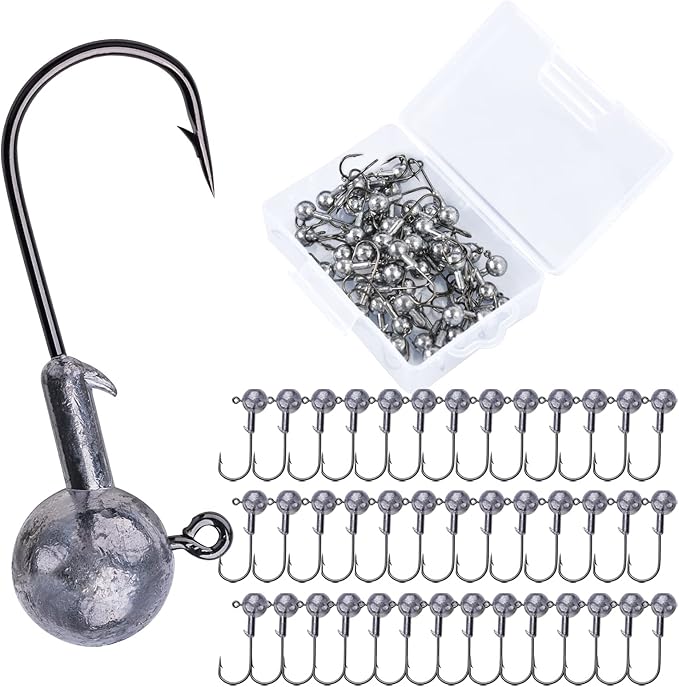
Amazon.com sells tons of jigs at prices that are a lot of times better that the big box stores.
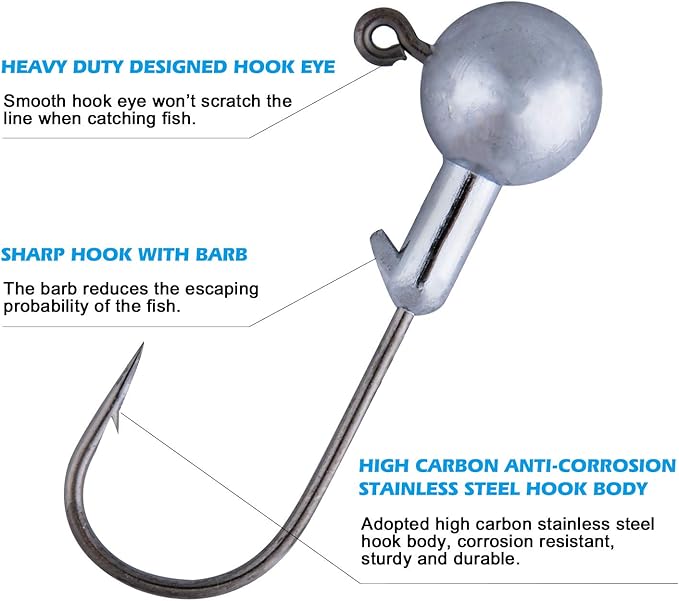
Click here to go to one of my favorite jigs. Below is a picture of one of my favorites